
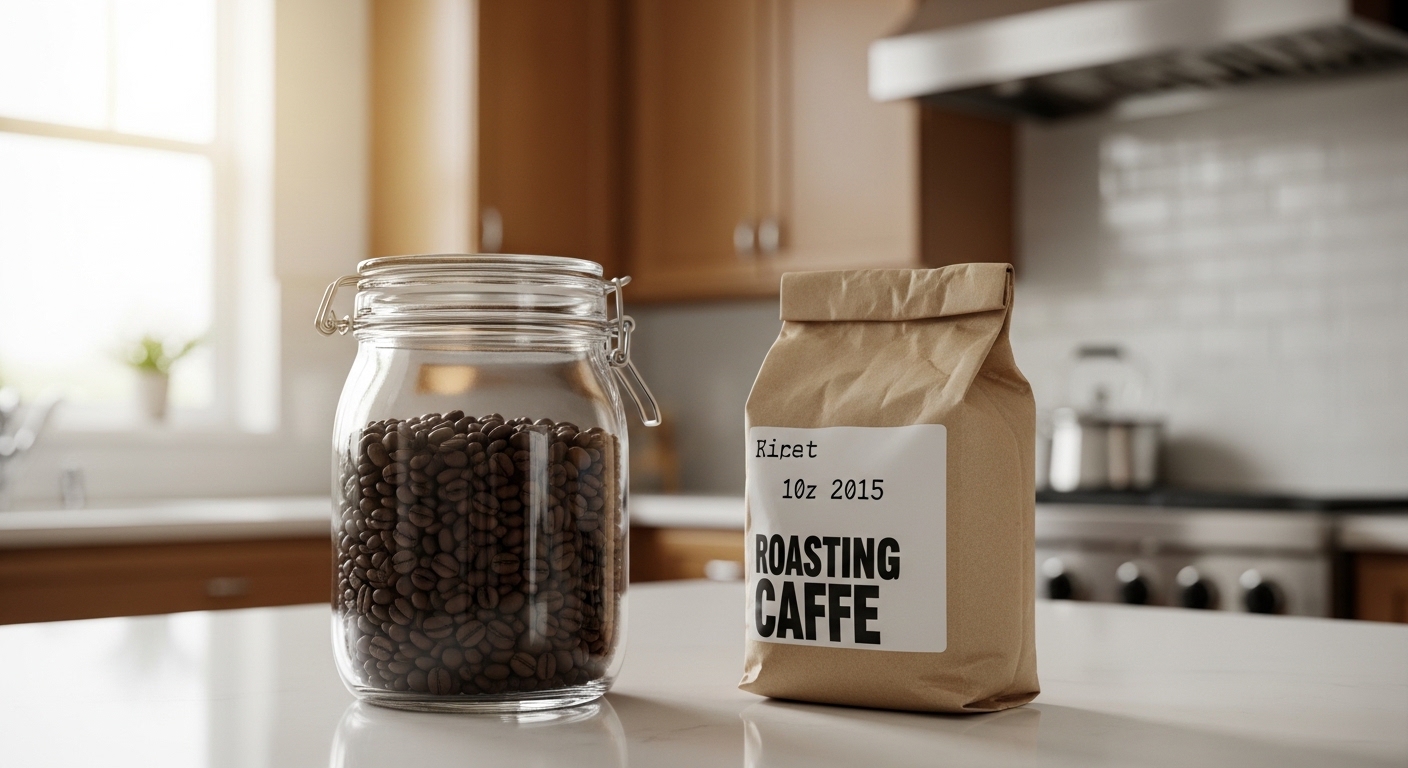
Quick Answer: Does coffee go bad?
Coffee doesn’t usually “spoil” in a dangerous way if it’s kept dry, but it absolutely goes stale. Stale coffee loses aroma and sweetness first, then starts tasting flat, papery, woody, or harsh. The biggest enemies are oxygen, heat, light, and moisture. If you store whole beans in an airtight container away from heat and light, you can keep them tasting great for weeks—and decent for longer.
If you want the simplest rule: buy whole bean, store it airtight in a cool dark place, and use it within a reasonable window after the roast date.
“Bad” vs “stale”: what’s the difference?
When people ask “Does coffee go bad?” they usually mean: “Why does this coffee taste worse than it used to?” In most cases, the answer is staling, not spoilage.
- Spoiled coffee (rare) happens when coffee gets wet and grows mold or picks up strong off-odors. If you see moisture, clumping with a musty smell, or visible mold, don’t use it.
- Stale coffee (common) happens when oxygen and time break down aromatics. It’s still “safe,” but it tastes dull and disappointing.
So the real goal is keeping coffee from going stale too quickly—because freshness is one of the biggest upgrades you can make without buying fancy equipment.
Why coffee goes stale (and why it happens faster than you think)
Coffee beans are full of volatile aromatic compounds—the stuff that makes coffee smell incredible. After roasting, those compounds slowly fade. Oxygen speeds up that process, and heat/light can make it worse. Grinding makes it worse too, because it increases surface area dramatically.
That’s why whole-bean coffee can taste great for weeks, while pre-ground coffee can lose its best flavor much faster after opening. It’s not snobbery—it’s chemistry and surface area.
The four enemies of fresh coffee
If you remember nothing else, remember this list. These four things ruin coffee flavor faster than anything:
- Oxygen: causes oxidation and flavor loss.
- Heat: accelerates staling and can soften/alter aromatics.
- Light: can degrade compounds over time (especially in clear containers).
- Moisture: risks mold and makes coffee taste “dead.”
Your storage setup should mainly be designed to fight oxygen and moisture, while keeping coffee away from heat and direct light.
How long does coffee stay fresh? (realistic expectations)
There’s no perfect universal timeline because freshness depends on roast style, packaging, and storage. But you can use these practical expectations:
- Whole beans: best flavor in the weeks after roast, then gradually declining.
- Ground coffee: noticeably faster decline after opening.
- Instant coffee: usually stable longer (but flavor is a different conversation).
Instead of obsessing over exact day counts, focus on controllables: buy reasonable amounts, store them correctly, and grind close to brewing when you can.
The best way to store coffee beans (simple and effective)
You don’t need expensive gear. A good setup can be very basic:
- Keep coffee in an airtight container.
- Store it in a cool, dark place (a cabinet away from the stove is perfect).
- Keep it dry and away from strong odors (coffee can absorb smells).
- Buy amounts you’ll actually use before it fades.
If you’re doing these four things, you’re already ahead of most people.
Should you keep coffee in the bag it came in?
Sometimes, yes. Many quality coffee bags have a one-way valve and are designed to protect freshness. If the bag seals well (zip seal) and you squeeze out excess air after each use, it can be fine.
However, if the bag doesn’t reseal properly or you’re opening it many times a day, moving beans to a truly airtight container can reduce oxygen exposure and keep the coffee tasting better longer.
Airtight container tips (what matters most)
The most important feature is a good seal. Material matters less than you think, but these details help:
- Opaque is better than clear (light protection).
- Smaller is better than huge (less trapped air).
- Easy to use is best (you’ll actually do it consistently).
A pro move is to split a large bag into two containers: one for daily use, one you open less often. Less opening = less oxygen exposure.
Should you store coffee in the fridge?
In most homes, the fridge is not ideal for coffee. Fridges have moisture, odor, and temperature fluctuations. Every time you take coffee in and out, condensation risk increases—especially if the container isn’t perfectly sealed.
If you live in a very hot, humid environment and you can keep coffee in a truly airtight container, fridge storage can be “okay,” but it’s still not the best default recommendation for most people.
Should you freeze coffee beans? (yes—if you do it correctly)
Freezing can be a great strategy for preserving coffee—especially if you buy in bulk or you want to keep a special bag tasting great for longer. The key is preventing moisture and repeated thawing.
How to freeze beans safely:
- Portion beans into small, airtight bags/containers (single-week portions are great).
- Remove as much air as possible.
- Freeze the portions.
- When you’re ready, take out one portion and let it come to room temperature before opening (this helps avoid condensation).
- Don’t refreeze the same portion repeatedly.
If you do it like this, freezing can preserve flavor surprisingly well. If you do it casually (open/close the same bag daily), moisture becomes the enemy.
Whole bean vs ground coffee: why grinding changes everything
If you want better coffee with the least effort, switch to whole bean and grind before brewing. Grinding exposes far more surface area to oxygen, which speeds up staling dramatically.
If you must buy pre-ground (totally fair), your best move is to buy smaller amounts more often, store it airtight, and keep it away from heat/light. Freshness still matters—you just have a shorter runway.
How to tell if your coffee is stale
Stale coffee doesn’t always smell “bad.” It often smells… like nothing. Here are common signs:
- Weak aroma when you open the container.
- Flat taste (no sweetness, no sparkle).
- Papery, woody, or dusty notes.
- Harsh bitterness that wasn’t there before.
If your coffee suddenly seems more bitter or dull, it might not be your technique—it might be time and oxygen doing their thing.
Does stale coffee cause bitterness?
It can. When sweetness and aromatics fade, bitterness becomes more noticeable. That’s why stale coffee can taste harsher even if you didn’t change your brewing method.
If you’re trying to reduce bitterness, freshness is a foundational fix. And if you’re curious about “micro-hacks,” there’s a popular one—but it should always come after you’ve handled the basics.
The best “freshness workflow” (so it’s effortless)
If you want a simple routine that keeps coffee tasting good without turning your life into a hobby, do this:
- Buy whole bean coffee with a roast date when possible.
- Keep one small airtight container for daily use.
- Keep the rest sealed (bag or second container) and open it less often.
- Store everything in a cool, dark cabinet away from heat.
- If you buy in bulk, freeze in portions and thaw unopened.
This setup works because it reduces the number of times beans get hit by oxygen and humidity. Freshness becomes automatic instead of something you have to “remember.”
FAQ
Can coffee beans get moldy?
Yes, but it’s uncommon if you keep beans dry. Mold risk increases if coffee is exposed to moisture or stored in a humid environment with poor sealing. If you see visible mold or smell a musty odor, discard it.
Is it okay to store coffee in a clear glass jar?
If it seals well and you keep it in a dark cabinet, it can be fine. If it sits on the counter in sunlight, the coffee will stale faster. Opaque containers make it easier to be consistent.
Should I store coffee in the fridge if it’s hot where I live?
If you can’t keep coffee away from heat otherwise, an airtight container in the fridge can work—but moisture and odors are real risks. For many people, a cool dark cabinet is still better. If you buy in bulk, freezing portions is usually the stronger option.
Why does my coffee taste “flat” even with good beans?
The most common causes are staling (oxygen exposure) or grind/brew changes. Start by checking freshness and storage. If freshness is good, adjust grind size and brew ratio next.
Conclusion: Freshness is the cheapest upgrade you can make
Coffee doesn’t have to be “expired” to taste disappointing—most of the time it’s simply stale. The fix is not complicated: protect beans from oxygen and moisture, keep them cool and dark, and don’t buy more than you can use while it still tastes great. If you want an even bigger upgrade, learn to read labels and prioritize roast date—because you can’t store your way out of buying old coffee.
