
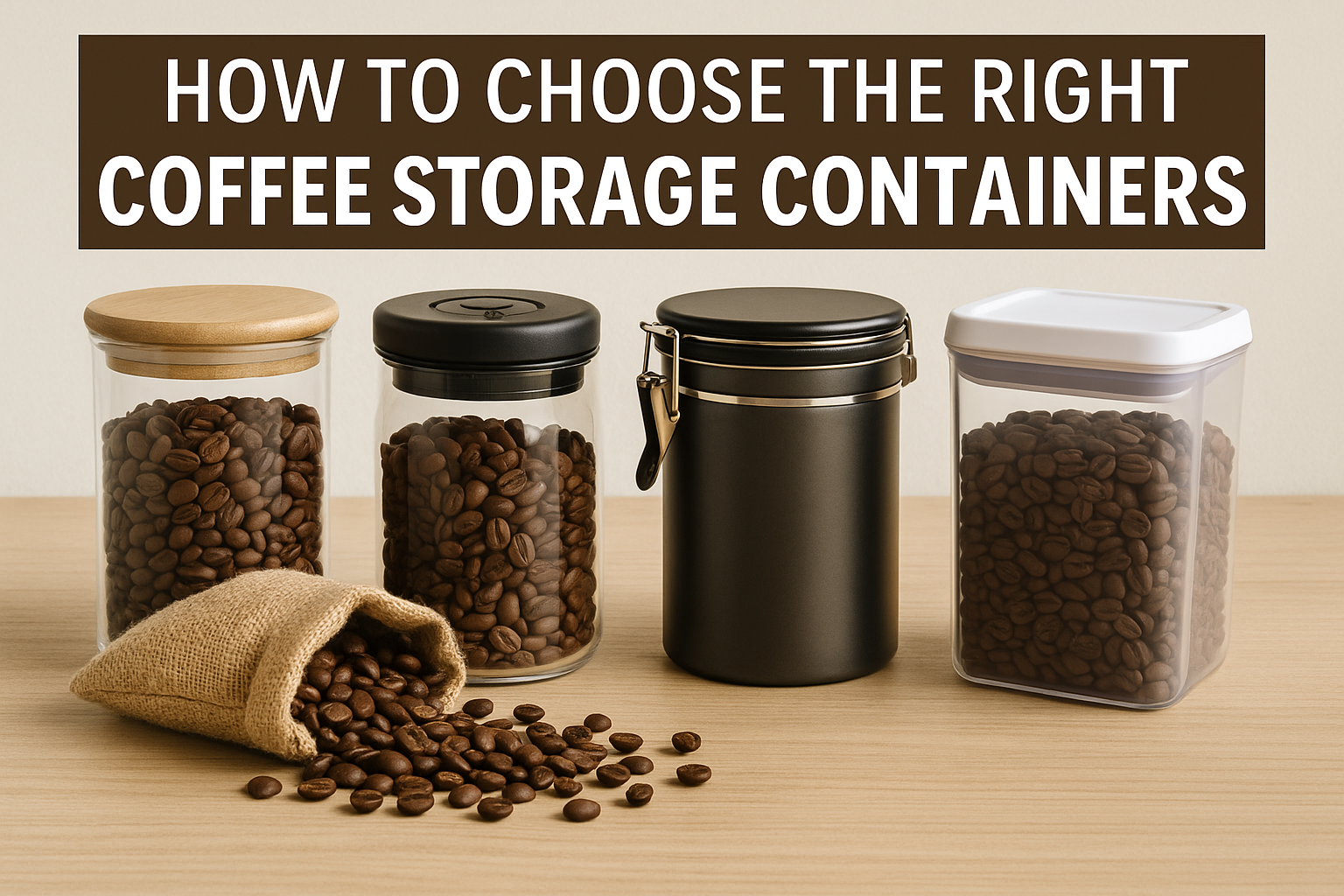
Storing coffee properly is one of the most overlooked yet crucial aspects of making great coffee at home. You can buy the best beans, grind them perfectly, and brew with precision—but if your coffee has gone stale, the result will be disappointing no matter what.
In this article, you’ll learn how coffee degrades over time, what actually affects freshness, and how to choose the best coffee storage container based on your routine, space, and budget.
Why Proper Coffee Storage Matters
Coffee is an agricultural product—and like all food, it changes after processing. Freshly roasted coffee is filled with aromatic compounds that give it flavor and complexity. Over time, those compounds break down.
Without proper storage, coffee quickly loses its best qualities. The result is dull, flat, or even rancid-tasting brews, no matter how skilled your brewing technique may be.
Whether you drink espresso, pour-over, French press, or cold brew, fresh coffee always tastes better—and proper storage helps keep it that way.
The Enemies of Fresh Coffee
To store your coffee properly, you need to protect it from its four biggest enemies:
1. Oxygen
Oxygen is the number one culprit of stale coffee. It reacts with the oils and aromatics in the beans, causing oxidation. Once beans are exposed to air, flavor degrades fast.
2. Moisture
Coffee is hygroscopic, meaning it absorbs moisture from the air. This affects grind consistency and leads to uneven extraction. Worse, in extreme cases, moisture can lead to mold.
3. Light
UV rays and visible light speed up the breakdown of flavor compounds, especially in lighter roasts. This is why many bags use opaque materials or built-in UV protection.
4. Heat
High temperatures speed up the chemical breakdown of coffee and increase the risk of rancid oils. Room temperature is fine, but storing coffee near ovens, windows, or appliances can reduce shelf life.
Ground vs. Whole Bean: Which Stores Better?
Always store whole beans when possible. Ground coffee has more surface area exposed to air, light, and moisture, which makes it go stale faster—sometimes in a matter of hours.
If you must store ground coffee (for convenience), proper storage becomes even more critical. Airtight containers and minimizing exposure to air are essential.
Characteristics of a Good Coffee Storage Container
A good storage container helps maintain the freshness of your beans by blocking the four enemies listed above. Look for containers with the following features:
1. Airtight Seal
This is non-negotiable. Whether it’s a silicone gasket, screw-on lid, or one-way valve system, an airtight seal prevents oxygen from creeping in.
2. Opaque or UV-Blocking Material
Choose containers made of stainless steel, ceramic, or tinted glass. Avoid clear plastic or glass unless it’s kept in a dark cabinet.
3. One-Way CO2 Valve (Optional)
Freshly roasted coffee releases carbon dioxide. Containers with a one-way valve let gas escape without letting air in. While more important for roasters, it can be beneficial at home for very fresh beans.
4. Right Size
Use a container that matches the amount of coffee you have. Avoid leaving a lot of empty space inside the container, which can trap air and speed up degradation.
5. Food-Safe Materials
Make sure the container is BPA-free and doesn’t transfer odors or flavors to the beans.
Best Coffee Storage Containers in 2025
Here are the top-rated containers this year for different needs and budgets:
1. Fellow Atmos Vacuum Canister
- Built-in vacuum pump (just twist the lid)
- Stainless steel or matte-finish plastic
- Airtight and blocks oxygen effectively
- Available in multiple sizes (0.4L to 1.2L)
Ideal for people who buy premium beans and want to maximize freshness without extra steps.
2. Airscape Coffee Canister by Planetary Design
- Unique lid system pushes out air as it closes
- Durable stainless steel construction
- Transparent lid on top with inner press lid
- Great for larger batches
This is a favorite among baristas and coffee pros for its simplicity and performance.
3. Coffee Gator Stainless Steel Container
- One-way CO2 valve
- Calendar wheel on top to track roast date
- Comes with a measuring scoop
- Affordable and effective
Excellent for budget-conscious brewers who want solid protection without breaking the bank.
4. Veken Glass Canister Set
- High borosilicate glass with airtight bamboo lids
- Comes in a set (small to large)
- Not UV-blocking, so best stored in a dark cabinet
This is more stylish than functional but works well for organized kitchens with limited light exposure.
5. OXO Good Grips POP Container
- Airtight with a push-button seal
- Stackable and transparent
- More commonly used for pantry items but works for coffee
Not purpose-built for coffee, but a good general option if you want one system for multiple ingredients.
DIY and Budget-Friendly Alternatives
Don’t want to invest in a specialty container right away? No problem. Here are a few alternatives that still offer decent protection for your beans:
- Mason jars with rubber-sealed lids: Add a piece of foil or store in a dark place to reduce light exposure.
- Vacuum-sealed food bags: Use a handheld vacuum pump to remove air. Ideal for bulk storage.
- Zip-lock bags inside opaque containers: A temporary solution that helps if stored properly.
None of these options match the performance of high-end containers, but they’re better than leaving beans in an open bag.
Should You Freeze Coffee Beans?
Freezing is controversial in the coffee world. Here’s what most experts agree on:
When Freezing Works:
- You’re storing larger quantities of coffee you won’t use immediately
- Beans are sealed in vacuum-packed or double-sealed bags
- You remove only what you’ll use that week and return the rest to the freezer without condensation
When Freezing Fails:
- Beans are constantly opened and refrozen, exposing them to moisture
- Storage containers aren’t airtight or vacuum-sealed
- You’re freezing pre-ground coffee
If done correctly, freezing can extend freshness for months. But for daily use, room temperature in the right container is best.
Mistakes to Avoid
Many coffee lovers unknowingly sabotage their beans with poor storage habits. Here’s what to avoid:
- Leaving beans in the original bag after opening, especially if it has no seal
- Storing coffee in the fridge (temperature fluctuation = condensation = ruined beans)
- Using transparent jars in open light
- Keeping beans too close to the stove or oven
- Buying more than you can drink in 2–3 weeks
Coffee is best enjoyed fresh. Buy in small quantities and store it properly.
Ideal Coffee Storage Routine
Here’s a simple, effective routine to follow:
- Buy whole beans in small batches
- Write the roast date on the container or use one with a calendar dial
- Transfer beans to an airtight, opaque container
- Store in a cool, dry, dark place
- Grind just before brewing
- Clean the container occasionally to prevent oil build-up
This process helps you maintain consistent flavor and aroma from bag to bag.
Final Thoughts
Choosing the right coffee storage container is a small step with a big impact. Fresh beans are the foundation of every great cup, and even the best gear can’t compensate for stale coffee.
Whether you’re a daily drinker or an occasional sipper, protecting your beans from air, moisture, light, and heat ensures that every brew reflects the quality of what you bought.
Invest in a good container—or make the most of what you already have. Your taste buds will thank you.

Passionate about coffee and brewing, our author shares simple, practical tips to help coffee lovers improve their skills. From home brews to barista basics, each post is crafted to make your coffee journey easier and more enjoyable.