Espécies e variedades
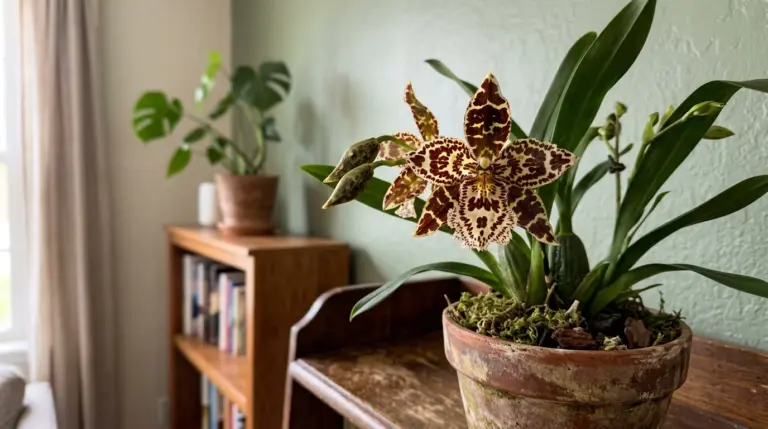
Odontoglossum: a orquídea de altitude, cultivo com temperatura amena
Descobri a Odontoglossum através de uma foto que vi num grupo de cultivo, atraída pelo padrão intrincado de…

Descobri a Odontoglossum através de uma foto que vi num grupo de cultivo, atraída pelo padrão intrincado de…
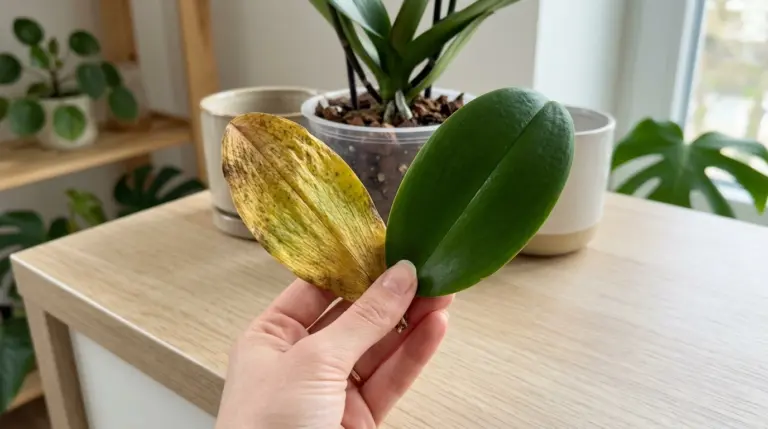
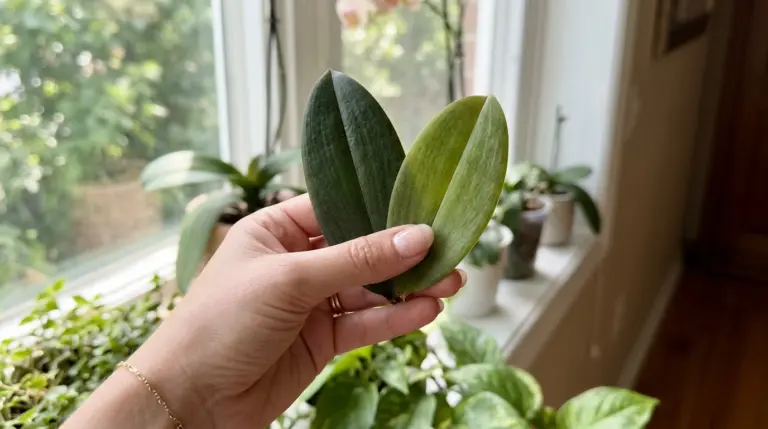
Recebi minha primeira mensagem angustiada de uma leitora perguntando se a orquídea dela estava morrendo, só porque uma…
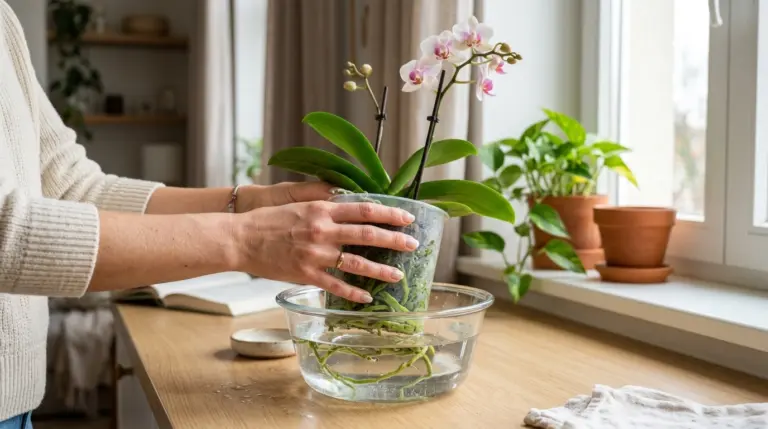
Minha primeira orquídea, uma Phalaenopsis branca que ganhei de presente, morreu de raiz apodrecida em menos de três…
Já detalhei em outro artigo que uso principalmente a rega por imersão na maioria das minhas orquídeas, mas…
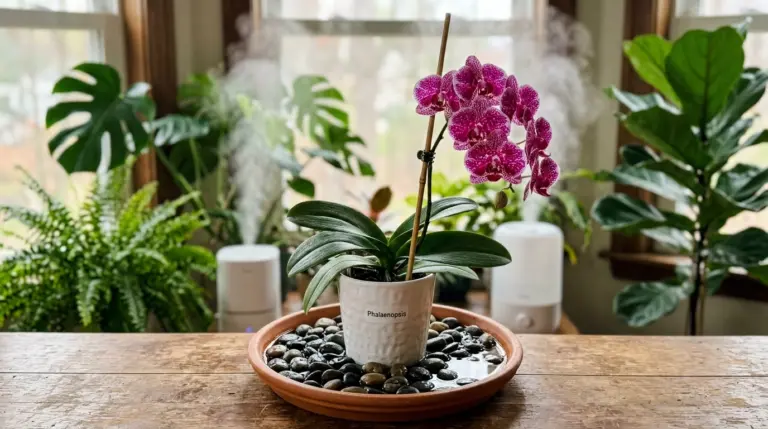
Umidade do ar é o fator que quase todo mundo ignora e que explica boa parte dos problemas…
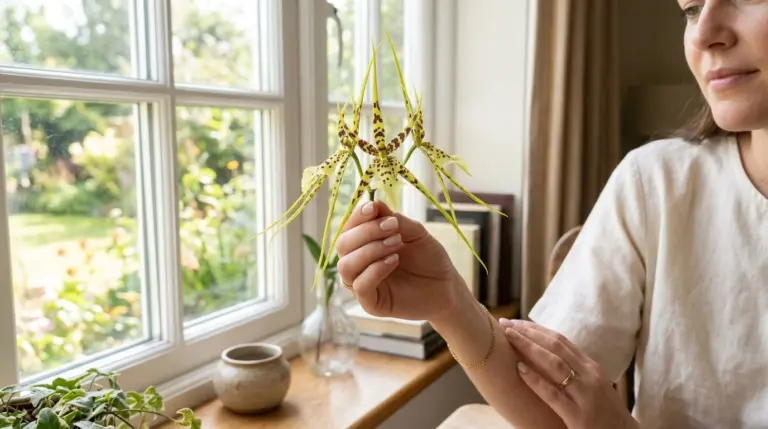
Vi a Brassia pela primeira vez numa exposição de orquídea e fiquei impressionada com o formato alongado e…
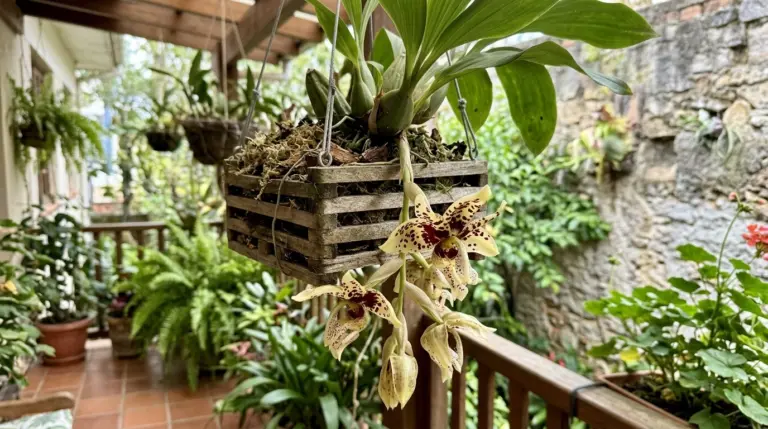
A Stanhopea tem a particularidade de cultivo mais radical entre as orquídeas conhecidas: ela precisa ser cultivada em…
Depois de já detalhar em outro artigo como escolher o local certo pra orquídea, percebi que muita gente…
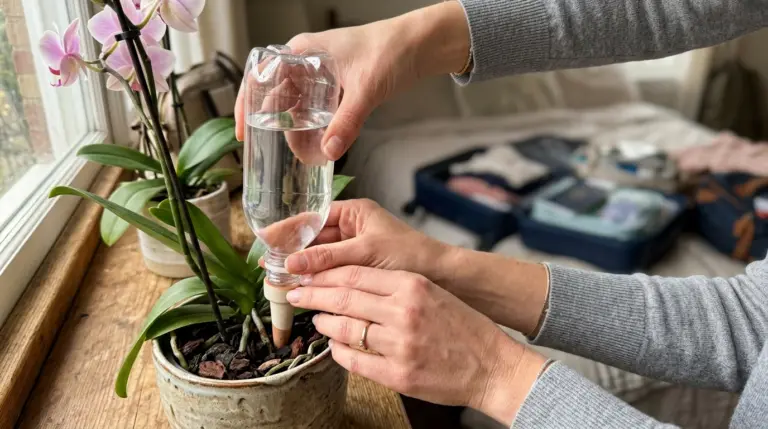
Na minha primeira viagem de duas semanas depois de já ter uma coleção considerável de orquídea, voltei pra…
Existe uma ironia no cultivo de orquídea no Brasil: muita gente paga caro por híbrido importado e não…