
Quick Answer: What is specialty coffee?
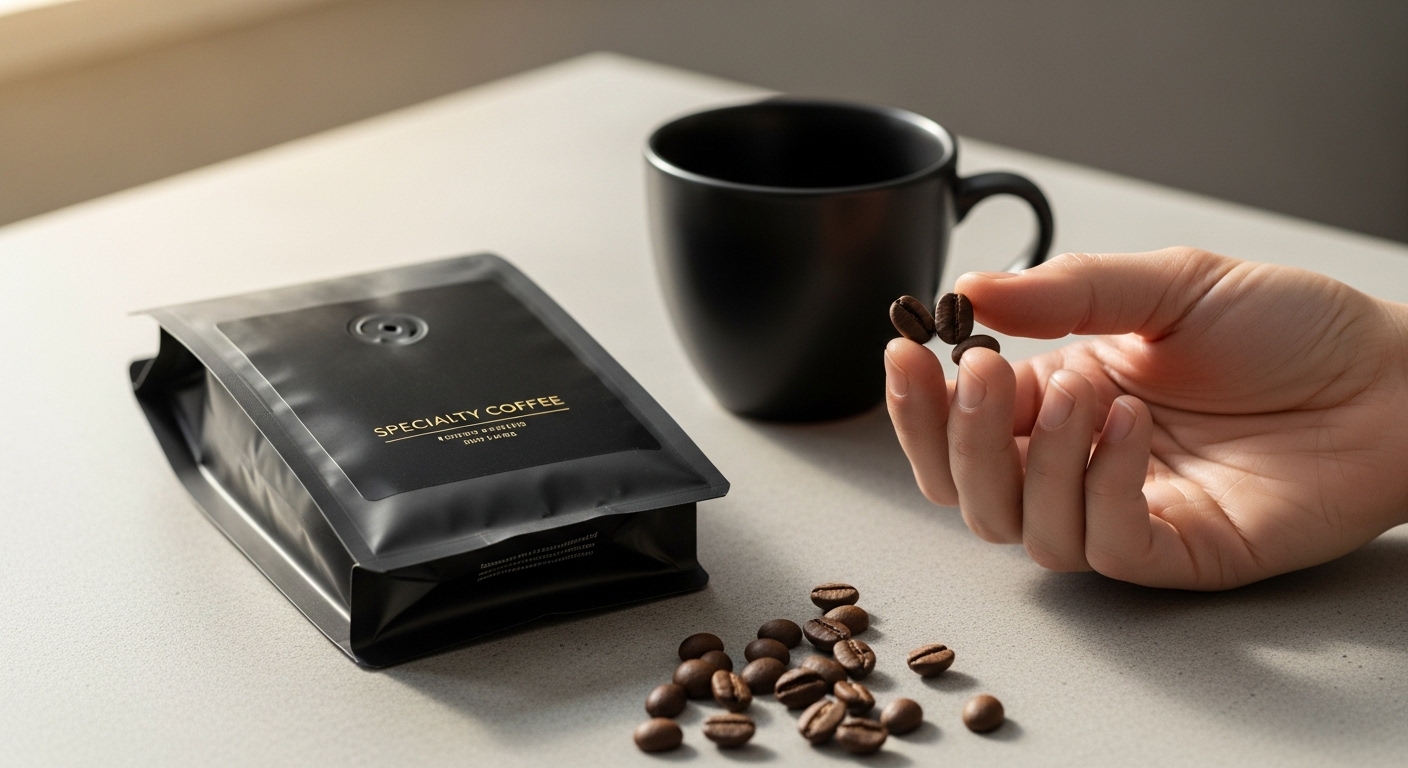
Specialty coffee is coffee that is treated with more care at every stage—from farming and processing to roasting and brewing—and is generally considered higher quality than ordinary commercial coffee. In practical terms, specialty coffee usually means cleaner flavors, better traceability, fresher roasting, and more attention to how the coffee actually tastes in the cup. It does not automatically mean the coffee will match your personal taste, but it usually means the coffee was produced and handled with much higher standards.
If you have ever wondered whether specialty coffee is genuinely better or just expensive branding for people who like fancy bags and tasting notes, this guide will help you understand what the term really means—and when it matters.
Why the term “specialty coffee” confuses people
A lot of people hear “specialty coffee” and immediately assume one of two things: either it means truly better coffee, or it is just a pretentious label for ordinary beans sold at a higher price. Both reactions are understandable because the coffee world is full of language that can sound vague, inflated, or self-important.
Part of the confusion comes from the fact that “specialty” sounds like a marketing word. It can feel similar to words like premium, gourmet, or artisan, which are often used loosely. But specialty coffee is not supposed to mean “this bag looks sophisticated.” It is meant to signal that the coffee met a higher quality standard and was handled with much more care than mass-market coffee typically receives.
That still does not mean every specialty coffee will blow your mind. But it does mean the term usually points to a different level of quality control and intention.
What makes coffee “specialty” in practice?
In practical everyday language, specialty coffee usually involves several things happening together:
- higher-quality green coffee
- better sorting and fewer defects
- more transparent sourcing
- careful roasting designed to highlight flavor rather than hide flaws
- clearer attention to freshness
- a stronger focus on how the coffee tastes in the cup
That list matters because specialty coffee is not just about the bean itself. It is also about the chain of decisions after the bean is harvested. A great coffee can be ruined by bad roasting, bad storage, or bad brewing. Specialty coffee culture tries—at least in principle—to protect quality from farm to cup instead of treating coffee like a generic commodity.
So when people say specialty coffee is “better,” they usually mean it was produced and handled with more care, which gives it a better chance of tasting distinct, clean, and expressive.
The simplest difference: commodity coffee vs specialty coffee
The easiest way to understand specialty coffee is to compare it with commodity coffee. Commodity coffee is usually traded and sold more like a bulk agricultural product. The focus is often consistency at scale, low cost, and a familiar “coffee taste” that works for mass consumption. That is why many large commercial coffees lean darker: darker roasting can create a predictable flavor and hide some bean quality problems.
Specialty coffee, by contrast, usually aims to preserve the bean’s individual character. Instead of roasting everything toward the same generic profile, it often highlights differences in origin, processing, and variety. That is why specialty coffees are more likely to talk about the farm, region, roast date, and flavor notes.
So the difference is not only quality. It is also philosophy. Commodity coffee often asks, “How do we make this acceptable and familiar at scale?” Specialty coffee often asks, “How do we preserve what makes this coffee distinct?”
Does specialty coffee always taste better?
This is where honesty matters. Specialty coffee does not automatically taste “better” to every person. It often tastes cleaner, more expressive, and more nuanced. But whether you prefer it depends on your palate.
For example, someone who loves dark, heavy, smoky coffee with milk and sugar may not immediately fall in love with a bright, fruit-forward specialty coffee brewed as a V60. That does not mean the specialty coffee is low quality. It just means “higher quality” and “more personally enjoyable” are not always the same thing.
That said, specialty coffee usually gives you more to work with. The cup often has more clarity, cleaner sweetness, less harshness, and a stronger sense that the coffee is actually saying something specific instead of just tasting generically roasted.
Why specialty coffee often tastes more “interesting”
One of the biggest things people notice when they try specialty coffee for the first time is that it tastes more distinct. Instead of “just coffee,” it may taste chocolatey, nutty, citrusy, berry-like, floral, or tea-like. This is not because special flavors were added. It is because the coffee’s natural character was preserved and made easier to notice.
Mass-market coffee often aims for a broad, familiar profile. Specialty coffee is more willing to let differences show. That is why a coffee from Ethiopia may feel very different from a coffee from Brazil, and why processing method can change how fruity or clean a cup feels.
So if commodity coffee often asks you to accept a general idea of “coffee flavor,” specialty coffee more often invites you to notice the coffee’s personality.
Why specialty coffee usually costs more
Price is one reason people become skeptical of specialty coffee. And to be fair, some coffee shops and brands absolutely use premium language in annoying ways. But specialty coffee usually costs more for real reasons too.
Higher-quality coffee generally requires more careful farming, better picking, more sorting, more attention to defects, more thoughtful roasting, and often lower-volume handling. Traceability also costs effort. Fresh roasting in smaller batches costs more than huge industrial output. Packaging, education, and slower quality control also add cost.
That does not mean every expensive coffee is worth it. But it does mean the higher price is not always random vanity. Often, you are paying for more work, more selection, and less compromise.
What specialty coffee does better than ordinary supermarket coffee
Specialty coffee often does a few things noticeably better:
- it smells fresher and more alive
- it is more likely to show a roast date
- it usually has better traceability
- it often tastes cleaner and less harsh
- it gives you more chance to notice real differences between coffees
This is especially obvious if you drink coffee black. Milk, sugar, and heavy dark roasting can hide a lot. But if you brew carefully and taste the coffee more directly, the difference between commodity and specialty often becomes much easier to notice.
That said, not everyone wants that level of difference. Some people just want dependable, familiar coffee every morning. And that is a legitimate preference too.
Is specialty coffee always light roast?
No, but this is a very common misconception. Specialty coffee is often associated with lighter roasting because lighter roasts tend to preserve more of the bean’s individual character. That is why many specialty roasters prefer them. But specialty coffee is not automatically light roast. There are medium-roasted specialty coffees, and some darker specialty profiles too.
The real point is not roast color by itself. The point is whether the roasting was done with care and with the goal of expressing quality instead of flattening everything into one generic smoky profile.
If you like medium roasts, specialty coffee can still be very much for you. You do not need to drink ultra-bright floral coffee to enter the category.
Can specialty coffee still be disappointing?
Absolutely. Specialty coffee can still disappoint for several reasons:
- the roast may not match your taste
- the brewing may be poor
- the coffee may be stale by the time you use it
- the marketing may oversell the experience
- you may simply prefer a different style
This matters because some people try one specialty coffee, do not love it, and conclude the whole category is fake. That is like trying one wine or one cheese and deciding the entire category is nonsense. Coffee still varies a lot inside the specialty world.
So yes, specialty coffee can fail to impress you. But one disappointing bag does not prove the idea itself is empty.
How to know if specialty coffee is worth it for you
Ask yourself what you actually want from coffee.
- If you want convenience, familiarity, and low cost above all, specialty coffee may feel unnecessary.
- If you want freshness, curiosity, cleaner flavors, and more connection to what you are drinking, specialty coffee probably makes a lot more sense.
The point is not that everyone must care deeply about coffee nuance. The point is knowing what you are paying for. Specialty coffee usually offers more possibility, more distinctiveness, and often better quality control. Whether that matters enough to you is a personal decision.
How to buy specialty coffee without getting lost
If you want to try specialty coffee without feeling overwhelmed, keep it simple. Look for:
- a recent roast date
- clear origin information
- basic tasting notes that sound appealing to you
- a roast level that fits your taste
- a roaster that seems transparent rather than vague
You do not need to buy the weirdest anaerobic tropical-fruit coffee on earth just to “do specialty right.” If you usually like chocolatey, nutty, comforting flavors, start there. Specialty coffee does not have to mean extreme brightness or confusion.
What specialty coffee is not
It helps to define the category by what it is not as well. Specialty coffee is not automatically:
- snobbish
- impossible to enjoy casually
- always sour
- always expensive beyond reason
- always light roast
A lot of resistance to specialty coffee comes from stereotypes. Some of those stereotypes were earned by annoying people in the coffee world, to be honest. But the coffee itself is often much more approachable than the stereotype around it.
You can enjoy specialty coffee in a relaxed, practical way without joining a flavor-note cult.
A simple way to think about it
If you want one plain definition, use this:
Specialty coffee is coffee where quality and flavor are treated as the main point, not just caffeine delivery.
That does not guarantee perfection. But it usually does mean more care, more transparency, and more chance of tasting something distinct and enjoyable.
Common mistakes people make
Mistake 1: Assuming “specialty” is only marketing
Some brands do use fancy language loosely, but specialty coffee usually does reflect a real difference in quality standards and handling.
Mistake 2: Assuming specialty coffee must taste better to every person
Higher quality and personal preference are related, but not identical. You may still prefer a simpler profile sometimes.
Mistake 3: Starting with the weirdest coffee possible
If you are new, start with a profile that sounds appealing and familiar enough to understand, not something chosen only for shock value.
Mistake 4: Ignoring freshness and brewing
Even excellent specialty coffee can taste disappointing if it is stale or brewed badly.
FAQ
Is specialty coffee healthier than regular coffee?
That is not the main distinction. Specialty coffee is mostly about quality, flavor, handling, and traceability—not a special health category.
Why is specialty coffee more expensive?
Usually because of better sourcing, more careful production, smaller-scale roasting, better sorting, fresher handling, and more quality-focused work overall.
Can beginners enjoy specialty coffee?
Absolutely. The smartest way is to start with an approachable roast and flavor profile instead of trying to impress yourself with the strangest coffee available.
Conclusion: specialty coffee is usually about better care, not just better branding
Specialty coffee is not simply “expensive coffee for people who like fancy words.” At its best, it means the coffee was grown, selected, roasted, and presented with much more care and attention to flavor. That often leads to cleaner cups, better freshness information, more traceability, and more interesting flavor. It still might not match every person’s taste, but the category itself is real. The smartest way to judge specialty coffee is not by the hype around it. It is by whether the cup actually shows the extra care you paid for.
