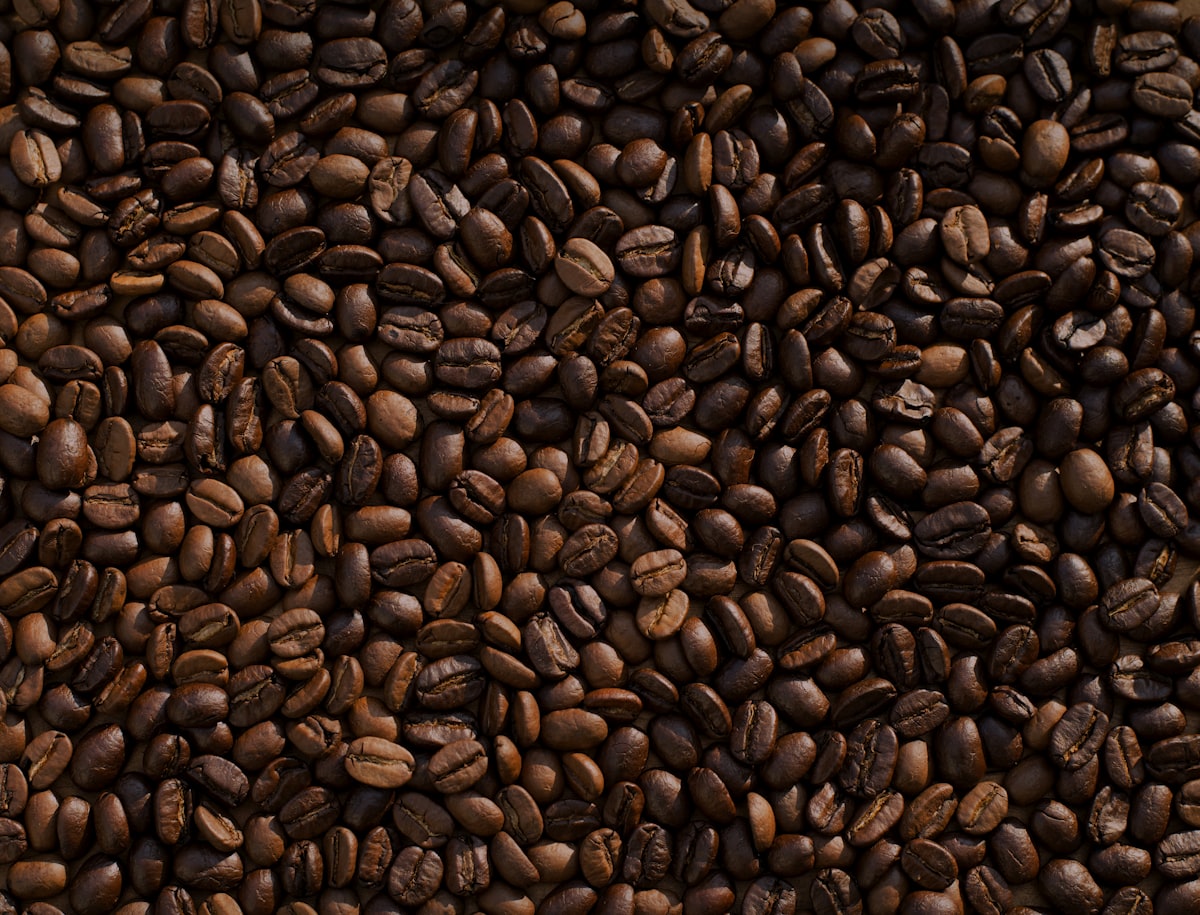
Dark roast coffee has a reputation for being “strong.” It tastes bold, it looks dark, it smells intense. But if strength means caffeine content — and for most people, it does — then dark roast is actually the weaker option.
Roasting Burns Off Caffeine
Caffeine is relatively stable during roasting, but the beans lose mass as they roast. Water evaporates, CO2 is released, compounds break down. A dark roast bean is physically smaller and lighter than a light roast bean that started the same size.
If you measure coffee by volume (scoops), dark roast gives you fewer grams of coffee per scoop, and therefore less caffeine. If you measure by weight — which you should — the caffeine difference is minimal between roast levels, though light roast still has a slight edge.
The National Institutes of Health has published research confirming that caffeine content is relatively consistent across roast levels when compared by weight.
So What Does “Strong” Mean?
In specialty coffee, “strength” refers to concentration — the ratio of dissolved coffee compounds to water. A strong coffee is one where this ratio is high, regardless of roast level.
In everyday language, “strong” usually means intense or bold flavor. Dark roast tastes more intense because the roasting process creates bitter compounds (specifically, degradation products of chlorogenic acids). That perceived intensity is flavor, not caffeine.
The Flavor Trade-Off
Light roasts preserve more of the original bean character — the fruit, floral, and acidic notes that develop in the growing environment. These are why single-origin light roasts can taste like blueberries or jasmine.
Dark roasts develop roast character — chocolate, caramel, smokiness. The bean’s origin matters less because it’s been largely roasted away. This isn’t inherently bad. Many people prefer dark roast, and there’s nothing wrong with that preference. But you’re tasting the roast, not the bean.
What to Do With This
If you drink dark roast for the caffeine boost, switching to a light roast won’t make much difference either way. If you drink it for the flavor, stick with what you like. But if you’re curious about what coffee actually tastes like before roasting dominates everything — try a well-made light or medium roast from a good origin. It might change your perspective on what coffee can be.
