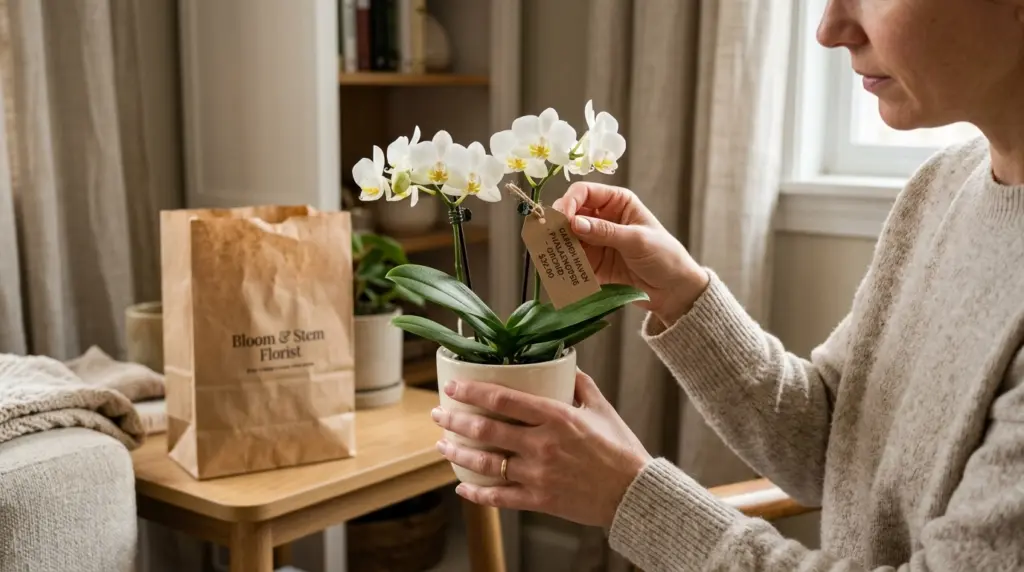
How to acclimate a newly purchased orchid from the store to your home.
Every time I bring a new orchid home, I resist the temptation to immediately move it to a prettier pot or place it in its final position. I've learned, after losing more than one plant due to haste, that the acclimatization period right after purchase is just as important as any other routine care I already practice.
Why does the plant need an adaptation period?
An orchid that leaves a commercial greenhouse, with controlled light, humidity, and temperature conditions, undergoes a sudden change of environment when it arrives in a regular home. This transition shock can stress the plant if not carefully managed in the first few weeks.
First step: observe without interfering too much.
In the first few days, I simply observe the plant in the location where I intend to keep it, without changing the pot, without pruning anything, without forcing any changes. This initial observation period helps to understand how it is reacting to the new environment before any further intervention.
Why not replant immediately after purchase?
Even if the original substrate seems inadequate, as detailed in another article on this topic, I wait at least two to three weeks before considering repotting, giving the plant time to stabilize in the new environment before adding another source of stress.
Adjusting the light gradually, not all at once.
If the plant came from a dimly lit environment in the store, I avoid placing it directly in a brighter light source in my home. I make the transition gradually, over one or two weeks, following the same principle I've already detailed in another article about light.
Water more cautiously in the first few weeks.
I slightly reduce the watering frequency right at the beginning, since the root may still be adjusting to the new substrate and the new drying pattern in my home, which is different from the rhythm it had in the greenhouse or the store where it came from.
Postponing fertilization until the plant stabilizes
As I've already detailed in another article about fertilization, I wait at least two weeks before fertilizing, avoiding adding another stimulus to a plant that is still processing the change in environment.
Isolating the new plant temporarily from the rest of the collection.
I keep the newly arrived plant separate from the others for a few weeks, a kind of informal quarantine that helps identify any pests or diseases that may have come along, before they spread to the rest of the already established collection.
A sign that acclimatization is going well.
Leaves maintaining firmness, roots showing no signs of rot, and the absence of excessive leaf drop are signs that the transition is going smoothly. I have already detailed the main visual indicators that I usually monitor closely in another specific article.
A sign that something is not going well during this phase.
Rapid leaf drop, visible wilting, or roots changing color rapidly are signs that the transition stress is more intense than expected, requiring an immediate reassessment of the conditions provided.
Buying from a reliable supplier to reduce initial stress.
I prefer to buy from specialized stores with good stock turnover and visible care for the plants on display, since a plant that is already stressed in the store itself arrives home with a much greater initial disadvantage to overcome during acclimatization.
How long, on average, does full acclimatization take?
In my experience, it usually takes between three weeks and a month for the plant to fully stabilize in the new environment, although this time varies depending on the difference between the previous and current environment, and the natural resilience of the specific species.
How do I choose where to position the plant during the observation phase?
I place the newly arrived plant in a location with moderate light and reasonable ventilation, even if it's not yet its final chosen spot, prioritizing a neutral environment that won't add extra stress while I observe how it reacts to the change of location. Only after confirming that it's stable do I consider a more specific final placement.
Documenting the arrival of each new plant in my notebook.
I note the arrival date, initial appearance, and any relevant observations about each new plant, creating a starting point in my grow notebook, already mentioned in another article, which helps me objectively track the acclimation progress over the following weeks.
Difference in acclimation between a plant purchased in a physical store and one received by mail.
Plants received by mail are usually more stressed, as they have undergone a period of transport without light and possibly with temperature variations, requiring even more gradual acclimation care compared to a plant purchased in a store. In these cases, I extend the initial observation period and further reduce the intensity of any changes in the first few weeks.
Extra care should be taken with plants received during periods of extreme weather.
I avoid buying or receiving new plants during periods of intense heat or cold, as transporting them under these conditions greatly increases the risk of damage even before the plant arrives home. When I have no choice, I carefully check for any signs of heat stress as soon as the plant arrives, before starting the normal acclimation process.
How do I deal with the anxiety of wanting to be overly protective right from the start?
I recognize that the urge to do something for the new plant—to tinker, adjust, actively care for it—is strong right after purchase, but I've learned that less intervention is usually more beneficial during this specific period. I consciously restrain this impulse, remembering that patient observation is, paradoxically, the most active form of care I can offer in the first few weeks.
Acclimating a plant brought from a trip or from someone else's house.
I once received a plant from a friend who also grows orchids, coming from an environment with very different conditions from my home, and I applied the same principle of gradual acclimation, even knowing that the plant was already healthy and established in its previous environment. Any change of home, even between two already favorable environments, still represents a transition that deserves this initial care.
How do I assess if the plant is ready to receive full routine care?
I consider acclimation complete when I notice new roots developing, leaves maintaining consistent firmness for several consecutive weeks, and no signs of recurring stress. Only at this point do I fully resume the complete watering, light, and fertilization routine that I already use for the rest of the established collection.
Labeling the new plant until the end of the observation period.
I place a small label with the arrival date on each new plant, keeping it until the end of the acclimation period—a simple visual reminder that helps me not forget that that specific plant is still in transition and deserves the more careful treatment I've described throughout this article.
Questions I've been asked about orchid acclimation.
Do I need to change the pot immediately if the substrate looks old?
No, even poor-looking substrate still offers temporary structural function — I prefer to wait for the complete acclimation period before adding the extra stress of repotting.
Can we skip this adaptation period if the plant seems healthy right away?
I don't recommend it — even seemingly healthy plants benefit from a gradual transition, as invisible stress can manifest weeks later if the process is rushed, compromising a result that seemed guaranteed at the beginning.
Having patience right from the start of the relationship with a new plant made all the difference in the success rate of my collection; a small investment of time that avoids a lot of frustration later on and builds a solid foundation for years of healthy cultivation.